How RFID Solves Common Factory Challenges and Improves Operational Efficiency
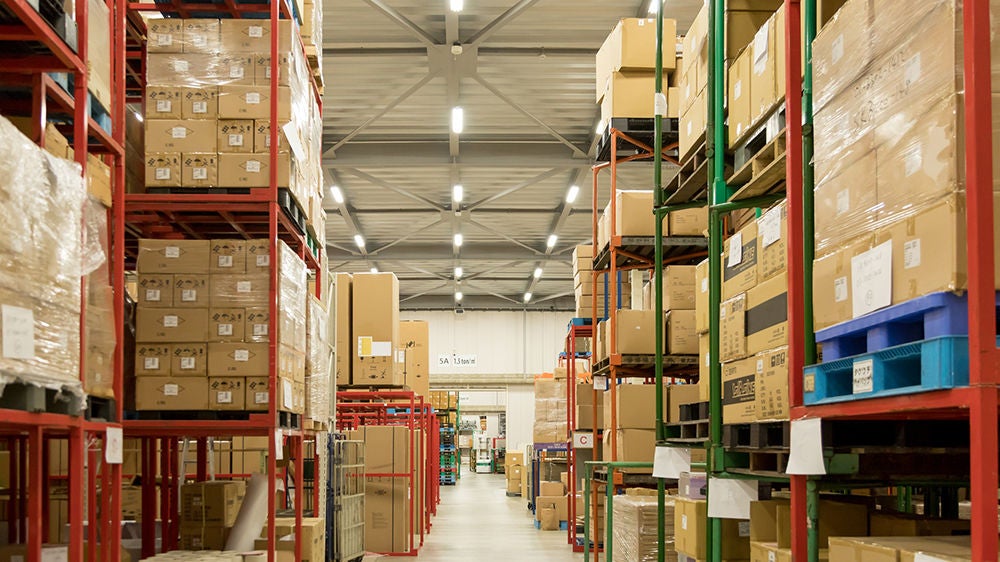
Factories around the world face a range of operational challenges that hinder productivity and visibility. From managing tools and materials to inspecting inventory and conducting physical counts, manual processes are time-consuming, error-prone, and difficult to scale. These challenges are common across manufacturing plants, assembly lines, and industrial facilities globally.
RFID (Radio Frequency Identification) offers an effective way to address these issues by enabling automated, non-contact tracking of assets, materials, and inventory. Unlike manual or barcode-based systems, RFID can read multiple tags simultaneously without requiring line-of-sight, significantly improving speed, accuracy, and operational efficiency.
Key Factory Challenges RFID Addresses
Asset and Tool Management
Factories often struggle to track tools, equipment, and shared assets accurately. When managed through paper records or manual checks, it becomes difficult to know where assets are located or whether they are available when needed. RFID tagging enables automatic tracking of asset location and movement, reducing search time and preventing loss.
Inspection and Inventory Control
Incoming materials, work-in-progress items, and stored components require regular inspection and accurate recordkeeping. Manual inspection and data entry increase the risk of errors and inconsistencies. RFID automates data capture, improving inventory accuracy and supporting more reliable production planning.
Physical Counts and Cycle Counting
Inventory counting in factory environments can be labor-intensive and disruptive, especially when performed manually or with barcode scanners. RFID enables bulk reading of tagged items, even in hard-to-reach locations, dramatically reducing counting time and physical workload.
How RFID Enhances Factory Operations
Automated Tracking of Assets and Materials
By attaching RFID tags to tools, pallets, containers, and raw materials, factories can automatically capture data as items move through production and storage areas. This eliminates manual logging and provides real-time visibility into operations.
Improved Accuracy and Data Integrity
RFID minimizes human error by removing the need for manual scanning and data entry. Because multiple tags can be read at once without direct contact, inventory records become more accurate and consistent.
Reduced Labor and Increased Productivity
Automating routine tasks such as asset tracking, inventory checks, and inspections allows workers to focus on higher-value activities. Remote tag reading also reduces physical handling, improving efficiency and workplace safety.
Best Practices for RFID Implementation
Successful RFID adoption requires a structured approach:
- Identify key use cases where manual work and error rates are highest.
- Select suitable tags and hardware that match the factory environment and materials.
- Pilot and validate the system under real operating conditions to address issues such as interference or tag placement.
- Scale deployment across processes and facilities once the solution is optimized.
Creating Long-Term Operational Value
When integrated into core factory workflows, RFID delivers benefits beyond individual tasks. It strengthens traceability, supports quality and compliance initiatives, reduces inventory discrepancies, and improves coordination across teams and sites. As manufacturers seek greater efficiency and resilience in a global market, RFID provides a scalable foundation for smarter, data-driven factory operations.