Optimizing Inventory Management: Key Benefits, Challenges, and Best Practices
1. What Is Inventory Management?
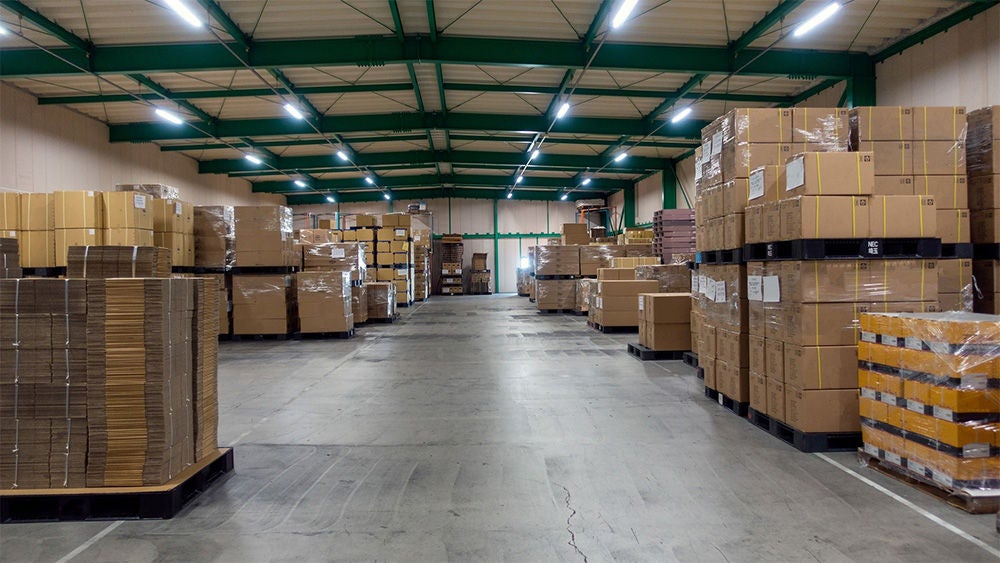
Inventory management refers to the process of maintaining the right amount of materials, products, or goods so that supply meets demand without unnecessary excess or shortage. It includes tracking incoming stock, outgoing shipments, returns, and periodic stocktaking. Methods vary from manual ledgers or spreadsheets to fully integrated digital systems that automate counting and tracking.
2. Advantages of Effective Inventory Management
Proper inventory management brings several major benefits:
- Reducing Excess Inventory
Keeping inventory at optimal levels prevents overstocking, which ties up capital and consumes storage space unnecessarily.
- Improving Productivity
Streamlined workflows, clearer processes, and automation reduce labor costs and the time required for inventory tasks. Workers can focus on higher-value activities.
- Ensuring Product Quality
Effective practices such as First-In, First-Out (FIFO) help prevent deterioration or obsolescence. Maintaining freshness or avoiding damage is essential in many sectors.
3. Why Inventory Management Is Challenging
Although beneficial, inventory management often faces hurdles:
- Lack of Unified Rules and Standards
When different teams or facilities use different procedures for labeling, storage locations, or recording, inconsistencies emerge. That leads to errors and inefficiencies.
- High Risk of Data Entry Errors
Manual work—handwritten logs, spreadsheets, or un-automated processes—frequently leads to mistakes or data misalignment.
4. How to Make Inventory Management More Efficient
Here are practical strategies:
- Define Clear Rules
Establish consistent guidelines for where items are stored, how labeling is done, and what steps to follow for stock rotation (e.g. FIFO). Document them so everyone follows the same process.
- Implement Inventory Management Systems
Use software tools that cover everything from receipt of goods to shipping out. Barcodes, handheld scanners, or mobile apps help capture data in real time, reducing reliance on manual tracking.
5. Using RFID for Enhanced Inventory Efficiency
Radio Frequency Identification (RFID) is a technology that can significantly boost accuracy and speed in inventory operations. Key features:
- Reads multiple tags simultaneously without needing direct line of sight.
- Allows non-contact reads, even when tags are inside packaging.
- Supports updating or rewriting tag data if needed.
Implementing RFID can cut down time for tasks such as stock checks and material inspections, reduce human error, and enable more granular tracking of individual items.
6. Measurable Impacts & Case Example
In many real-world applications, RFID implementations have yielded dramatic time savings and accuracy improvements. For instance, tasks that previously took hours per day can sometimes be reduced to minutes with RFID usage. Items like raw materials inspections, inventory counts, or incoming goods checks benefit most.
7. Best Practices & Cost-Saving Measures
To get the most value:
- Standardize processes across teams and sites.
- Choose systems that allow real-time inventory visibility.
- Balance investment cost vs benefit: initial cost for scanners / RFID / software should be justified by savings in labor, reduction in losses, and improved throughput.
- Train staff to follow rules and maintain accurate records.
- Start small (pilot project), measure results, then scale up.
8. Conclusion
Inventory management is a core function for any business that handles physical goods. When done well, it reduces costs, improves quality, ensures customer satisfaction, and supports predictable operations. Leveraging tools like inventory management software and RFID, along with strong process discipline, can make the difference between reactive chaos and efficient, controlled operations.