- Regulatory Compliance: RFID frequencies and usage regulations vary by country; ensure compliance with local standards.
- Interoperability & Standards: Use global standards (e.g., GS1, EPCglobal) to ensure system compatibility across borders.
- Security & Privacy: Implement encryption, authentication, and access control to protect sensitive data.
- Sustainability: Growing demand for eco-friendly RFID tags and recyclable materials in supply chains.
What is RFID? Definition, Benefits, and Global Applications
1. What is RFID?
RFID (Radio Frequency Identification) is a technology that uses radio waves to identify and track objects or people. An RFID system consists of a tag (with an embedded IC chip and antenna) and a reader that communicates with the tag wirelessly. Unlike barcodes or QR codes, RFID enables:
- Contactless reading and writing
- Bulk scanning of multiple items simultaneously
- Data rewriting and updating
- Reading without direct line of sight
- High durability in harsh environments
Because of these advantages, RFID is widely adopted in industries such as manufacturing, logistics, retail, healthcare, and asset management.
2. Key Components of an RFID System
To successfully implement RFID, four main components are required:
- RFID Tags & Labels – Contain an IC chip and antenna. Available in various types (inlays, hard tags, on-metal tags, heat-resistant, water-resistant).
- RFID Readers/Writers – Devices that read or write data. Can be handheld, fixed, or gate-style depending on the use case.
- RFID Software – Manages, stores, and analyzes collected data for inventory, asset tracking, quality control, or access management.
- RFID Printers – Print visual information on labels while encoding digital data into RFID chips simultaneously.
3. RFID Frequency Bands
Different RFID frequencies are suited to different applications:
| Frequency | Characteristics | Common Uses |
|---|---|---|
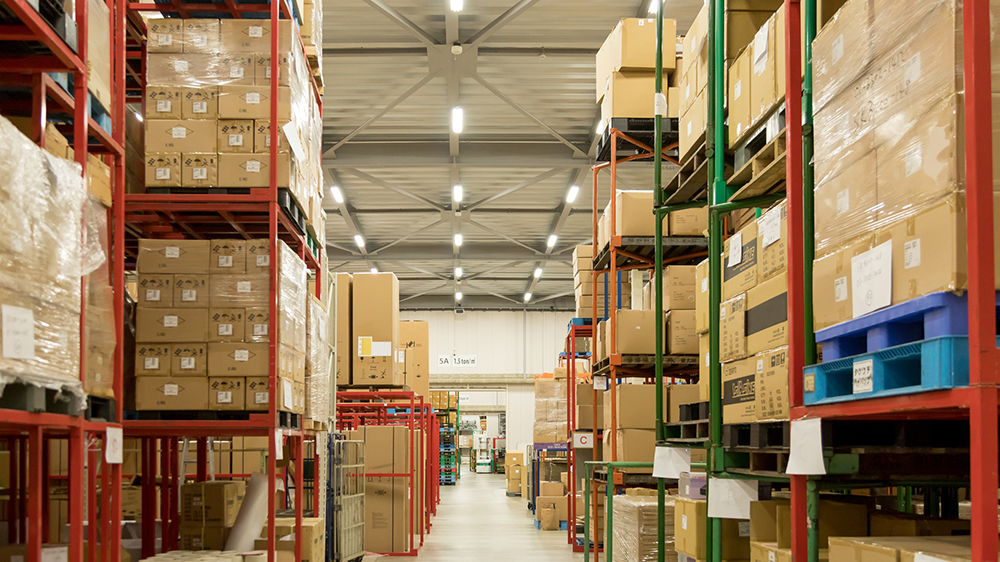
| UHF (860–960 MHz) | Long read range, bulk scanning, high speed | Warehousing, logistics, pallet tracking, supply chain management |
| HF (13.56 MHz) | Shorter range, good with liquids/metal, supports NFC | Smart cards, access control, healthcare devices, NFC payments |
| LF (125–134 kHz) | Very short range, limited data capacity | Animal identification, access badges, niche security systems |
4. Global Use Cases of RFID
RFID is transforming business operations worldwide in areas such as:
- Inventory & Stock Management – Faster cycle counts, reduced errors, and better visibility in warehouses and retail stores.
- Asset Tracking – Monitoring tools, machinery, containers, and returnable transport items.
- Production & Process Control – Tracking items through manufacturing lines, ensuring traceability and quality assurance.
- Access & Security – Employee ID cards, facility entry, event management.
- Healthcare Applications – Medication tracking, patient identification, surgical instrument management.
5. Best Practices for Successful RFID Implementation
- Define clear objectives – Identify what problems RFID will solve (time savings, error reduction, transparency, cost optimization).
- Run pilot testing – Validate read accuracy, environment tolerance, and system performance before scaling.
- Select the right tags and devices – Consider temperature, material, mobility, and durability requirements.
- Design efficient workflows – Establish when, where, and how RFID data is captured to avoid errors and duplicates.
- Evaluate ROI – Compare initial investment with expected benefits in labor reduction, process efficiency, and business insights.
6. Global Considerations and Trends
7. Conclusion
RFID is more than just a replacement for barcodes. It enables businesses to achieve greater efficiency, visibility, and accuracy across global operations. With proper planning, the right hardware and software, and consideration of international standards, RFID can deliver significant long-term value in any industry.