Understanding RFID Frequency Bands: Characteristics and Applications

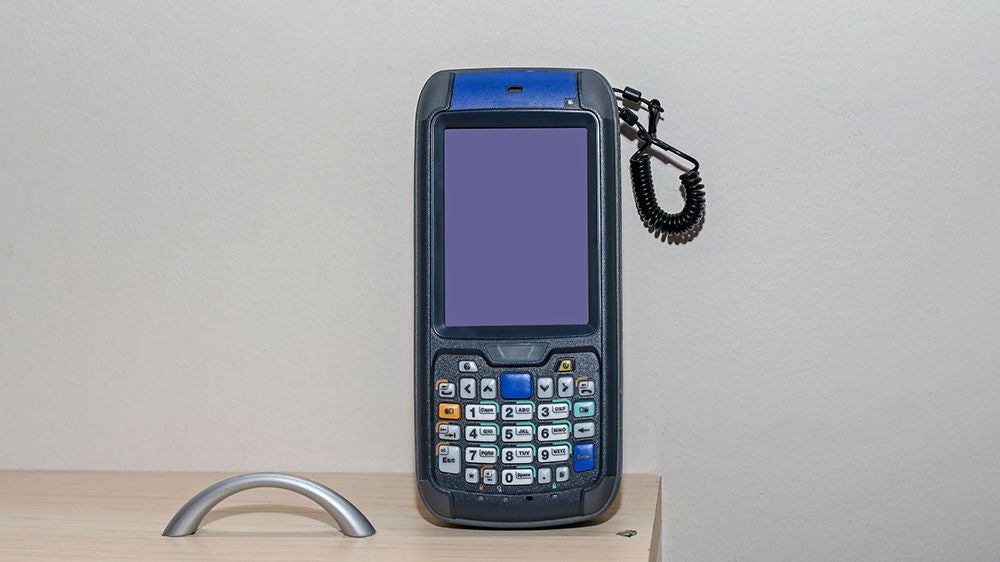
RFID Reader

1. Introduction to RFID Frequency Bands

Radio Frequency Identification (RFID) technology utilizes different frequency bands to enable wireless communication between tags and readers. The choice of frequency band significantly influences the performance, range, and application suitability of RFID systems.


2. Overview of RFID Frequency Bands

RFID systems primarily operate within the following frequency ranges:

    • Low Frequency (LF): Typically operates at 125 kHz or 134 kHz.
    • High Frequency (HF): Operates at 13.56 MHz.
    • Ultra High Frequency (UHF): Ranges from 860 MHz to 960 MHz.
    • Microwave: Around 2.45 GHz.

    Each frequency band has distinct characteristics that make it suitable for specific applications.


    3. Advantages of Thermal Transfer Printing

    Low Frequency (LF)
    • Range: Short, typically up to 10 cm.
    • Data Transfer Rate: Slow.
    • Advantages: Less susceptible to interference from metals and liquids.
    • Applications: Animal tracking, access control, and industrial automation.
    High Frequency (HF)
    • Range: Moderate, typically up to 1 meter.
    • Data Transfer Rate: Moderate.
    • Advantages: Good balance between range and data rate; widely standardized.
    • Applications: Library systems, payment systems, and public transportation.
    Ultra High Frequency (UHF)
    • Range: Long, up to 12 meters or more.
    • Data Transfer Rate: High.
    • Advantages: Fast data transfer; suitable for large-scale applications.
    • Applications: Supply chain management, asset tracking, and logistics.
    Microwave
    • Range: Moderate, typically up to 1 meter.
    • Data Transfer Rate: High.
    • Advantages: High-speed data transfer; suitable for specific applications.
    • Applications: Toll collection systems and vehicle identification.

    4. Selecting the Appropriate RFID Frequency

    When choosing an RFID frequency band, consider the following factors:

        • Application Requirements: Determine the necessary read range, data transfer rate, and environmental conditions.
        • Regulatory Compliance: Ensure the chosen frequency band complies with regional regulations and standards.
        • Interference Considerations: Assess potential interference from metals, liquids, or other environmental factors.

        Selecting the appropriate RFID frequency band is crucial for optimizing system performance and meeting specific application needs.


        5. Conclusion

        Understanding the characteristics and applications of different RFID frequency bands is essential for selecting the right system for your needs. By considering factors such as range, data transfer rate, and environmental conditions, you can make an informed decision that enhances the efficiency and effectiveness of your RFID applications.

        SATO support starts here

        Need specifics on products or pricing?
        Connect with our technical experts for fast, reliable support.