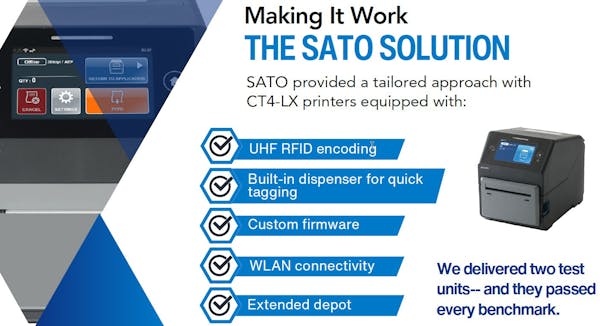
The lab was previously using competitive legacy printers in combination with a partner software to label up to 700 animal specimens per day. Their media of choice was 2" x 1" direct thermal labels. However, sourcing legacy units had become increasingly difficult, causing workflow interruptions. Compounding the issue, they needed a printer that could support competitive emulation and work seamlessly with existing software—a critical requirement for specimen tracking and processing.
The situation opened a timely opportunity for a better alternative.