What Is Traceability and Why It Matters in Global Supply Chains
Traceability refers to the ability to track and document the history, location, and movement of products as they flow through the supply chain—from raw materials through production, distribution, and into the hands of end customers. In global markets, traceability has become a core requirement for quality assurance, risk management, regulatory compliance, and customer trust.
This article explains what traceability means in a global context, the different types of traceability, the benefits organizations can achieve, common challenges, and how digital tracking systems can support effective implementation.
What Is Traceability?
Traceability combines “trace” (to follow) and “ability” (capability) to describe a system’s capacity to follow the path of a product or component over time. It encompasses not just where items are, but also the conditions, processes, and actors involved at each stage of the value chain.
In complex supply chains spanning countries and industries, traceability enables companies to respond quickly to issues such as defects, recalls, or disruptions by pinpointing where things went wrong and taking corrective action.
Two Types of Traceability
Traceability generally takes two forms:
Chain-Wide Traceability
This type covers tracking products across multiple organizations in a supply chain—from suppliers to manufacturers, distributors, and retailers. Chain-wide traceability provides visibility across organizational boundaries, enabling stakeholders to understand product flow end-to-end.
Internal Traceability
Internal traceability focuses on tracking within a single facility or organization, such as a factory or warehouse. It involves documenting processes such as production steps, quality inspections, inventory movements, and storage.
Both types are complementary: internal traceability helps ensure accuracy within operations, while chain-wide traceability connects those operations across the broader supply network.
Trace Forward vs. Trace Back
Two fundamental traceability directions are used for analysis:
- Trace Forward: Following a product’s progression from production to delivery. This helps confirm where and when goods have traveled, useful for verifying fulfillment and distribution performance.
- Trace Back: Starting from an endpoint (such as a returned or defective item) and working backward through the process to identify root causes or sources of errors. This is critical for effective recalls and quality investigations.
Key Benefits of Traceability
Implementing robust traceability systems offers multiple advantages:
1. Better Risk Management
Having accurate, timely information on product movement and history enables quick corrective actions when issues arise. Organizations can isolate problems more efficiently, reducing the impact of quality failures or supply disruptions.
2. Improved Product Quality
Traceability encourages accountability throughout processes. By monitoring stages such as component sourcing, assembly, and inspection, companies can identify patterns, reduce inconsistencies, and enhance overall product quality.
3. Enhanced Brand Reputation
Demonstrating transparent tracking from source to delivery strengthens consumer confidence. Customers increasingly expect visibility into where products come from, how they were made, and how they move through the supply chain.
4. Easier Customer and Demand Management
Traceability data often includes information about orders, delivery points, and customer interactions. This rich dataset supports demand planning and more responsive service, helping companies tailor production and delivery strategies.
Common Challenges in Implementing Traceability
While the benefits are clear, achieving effective traceability is not without challenges:
- Infrastructure Requirements: Establishing systems to capture and share data at scale requires investment in digital tools, connectivity, and integration with existing operations.
- Cross-Organizational Coordination: Chain-wide traceability depends on collaboration among multiple partners, which can be difficult when standards, systems, or priorities differ.
- Data Consistency: Ensuring that data from diverse sources is reliable and compatible demands careful planning and governance.
Leveraging Digital Tracking for Traceability
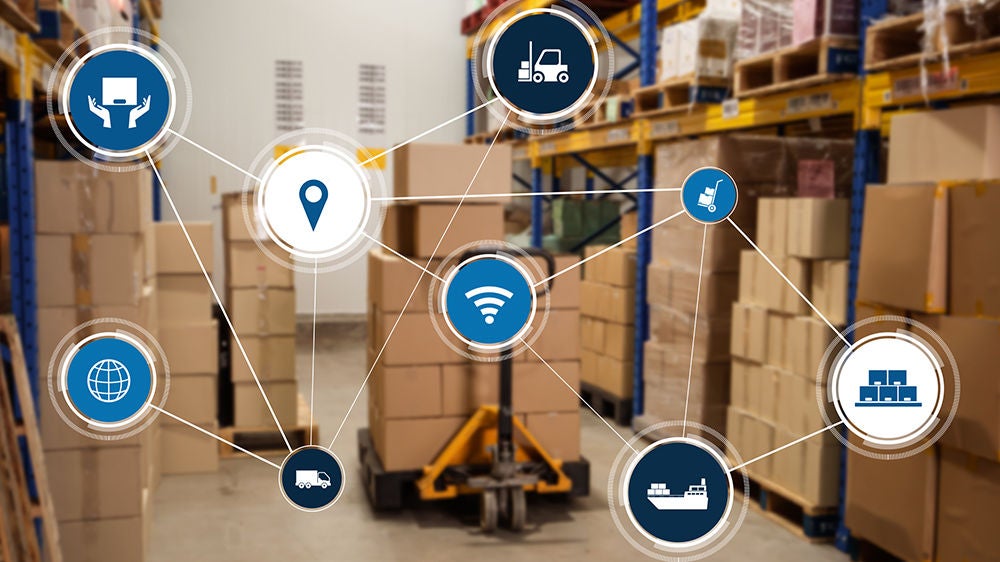
Modern traceability increasingly relies on digital automation technologies such as RFID, barcodes, and cloud-based data management. These systems enable consistent, high-speed capture of product identifiers and movement events without manual entry, improving data accuracy and availability.
For example, automated identification and tracking reduce manual errors, accelerate verification of product flow, and provide real-time insights into inventory or production status, supporting both internal and chain-wide traceability efforts.
Conclusion
In global supply chains, traceability is more than just a regulatory requirement—it’s a strategic asset that enhances quality, reduces risk, and strengthens customer trust. By understanding different traceability types and investing in digital tracking technologies and cross-organizational cooperation, businesses can unlock visibility that supports better decisions, faster response to issues, and more resilient operations across markets.