Why Traceability Is Essential in Manufacturing: Challenges and Strategies for Global Industry

Traceability

1. What is Traceability in Manufacturing?

Traceability is the capability to record and track the history of a product from raw materials through production, distribution, and use. In manufacturing, two main types of traceability are important:

        • Chain Traceability: Tracking the entire supply chain — from raw materials, components, through manufacturing, distribution, and finally to customers.
        • Internal Traceability: Tracking processes and components within a single facility or production line. This might include monitoring which line produced a component, inspection outcomes, and timestamps of each step.

        Traceability enables both trace-forward (following the product through the supply chain) and trace-back (investigating backwards from a product to its origins) capabilities. These are critical when a defect or quality issue emerges.


            2. Why Traceability is Increasingly Important Globally

            There is growing recognition of traceability across multiple industries — including automotive, electronics, pharmaceuticals, food & beverage — for several reasons:

                  • Quality control and accountability: When quality issues or safety incidents occur, traceability helps identify problematic batches or suppliers quickly.
                  • Regulatory compliance: Many countries have regulations demanding recall capability, safety reporting, and consumer protection measures. Traceability systems facilitate meeting those requirements.
                  • Consumer trust: Transparency about origins, ingredients or components, ethical sourcing, and safety strengthens brand reputation.
                  • Operational efficiency: Tracking parts, materials, and work steps reduces errors, waste, and inefficiencies. Especially in complex production networks, traceability supports predictive quality management.

                  3. Common Challenges and Solutions in Implementing Traceability

                  While traceability delivers many benefits, companies often run into similar challenges. Below are those challenges, and strategies to address them.

                      Common Challenges

                      • Fragmented or manual record keeping: Use of spreadsheets, pen-and-paper logs, or disparate systems makes backward and forward tracing difficult.
                      • Lack of standardization: Different parts of the supply chain may use different formats, labels, or tracking methods, complicating data collection.
                      • Human error and inconsistent application: Over-reliance on individual operators’ habits; unclear responsibilities or lack of automated processes can introduce errors.
                      • Integration issues: Existing production control, ERP, inventory, or quality systems may not easily interface with traceability systems.
                      Solutions & Best Practices
                      • Fragmented or manual record keeping: Use of spreadsheets, pen-and-paper logs, or disparate systems makes backward and forward tracing difficult.
                      • Lack of standardization: Different parts of the supply chain may use different formats, labels, or tracking methods, complicating data collection.
                      • Human error and inconsistent application: Over-reliance on individual operators’ habits; unclear responsibilities or lack of automated processes can introduce errors.
                      • Integration issues: Existing production control, ERP, inventory, or quality systems may not easily interface with traceability systems.

                      4. Case Applications in Various Industries

                      Here are examples of how traceability systems are applied across different sectors globally:

                            • Food & Agriculture: Tracking batch codes, ingredient sources, expiry dates; enabling rapid recall and ensuring food safety.
                            • Chemicals & Materials: Monitoring raw material origin, batch mixing, safety data, and compliance, especially for hazardous or regulated substances.
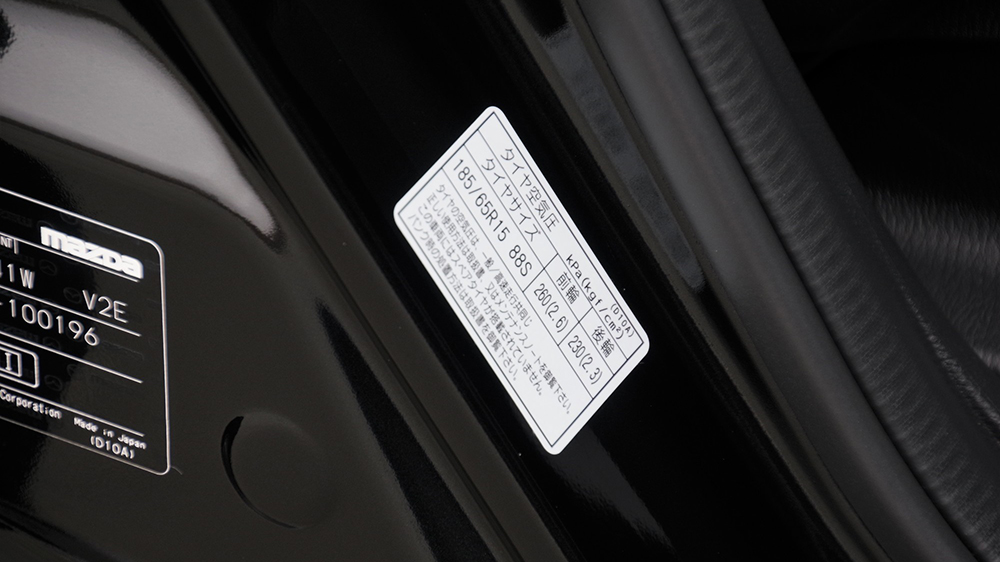
                            • Electronics & Automotive: Managing component supply chain visibility, part provenance, and defect trace path in products.
                            • Healthcare & Pharmaceuticals: Ensuring traceability of active ingredients, manufacturing conditions, storage, and handling for safety and regulatory compliance.

                            5. Planning for Successful Traceability Implementation

                            To maximize value and avoid pitfalls, manufacturers should plan carefully:

                                  • Define goals and scope: Identify what must be tracked, what outcomes you expect (e.g. faster recall, lower defect rates, regulatory compliance), and which part of your operation to begin with.
                                  • Assess technical environment: Are there constraints like multiple suppliers, legacy systems, geographical dispersion, or regulations on data security/privacy?
                                  • Select appropriate technologies: Choose among barcode, RFID, IoT sensors, cloud / local datastores, mobile or fixed scanning.
                                  • Ensure stakeholder alignment: Suppliers, production line staff, quality assurance, IT — all must agree on standards and processes.
                                  • Measure and refine: Monitor key performance indicators (KPIs) such as trace time (forward/reverse), defect resolution time, recall rates, cost of compliance, error rates. Use feedback to improve.

                                  6. Conclusion

                                  For manufacturing firms today, traceability is no longer optional—it’s a strategic imperative. It supports quality, safety, regulatory compliance, transparency, and efficiency. When properly implemented with clear scope, digital tools, standard practices, and collaboration across the supply chain, traceability becomes a competitive advantage.

                                  SATO support starts here

                                  Need specifics on products or pricing?
                                  Connect with our technical experts for fast, reliable support.