How Durable and High-Performance Labels Enable Reliable ID Tracking in Harsh Manufacturing Environments
Manufacturers operating in tough production conditions—such as high heat, extreme cold, chemical exposure, or abrasive environments—face unique challenges in maintaining accurate identification and tracking of products, parts, and materials. Standard labels often fail under these conditions, causing data loss, misreads, rework, and inventory errors. To ensure reliable identification in demanding settings, durable and environment-specific labels are essential.
Why Standard Labels Fall Short in Harsh Conditions
In high-temperature production processes like heat treatment or soldering, ordinary labels can peel off, discolor, or lose print legibility. Similarly, in environments with extreme cold, chemical exposure, or abrasion, standard adhesive and label materials may deteriorate quickly, leading to failed scans and lost traceability. These issues increase manual intervention and slow down operations.
What Makes Durable Labels Effective
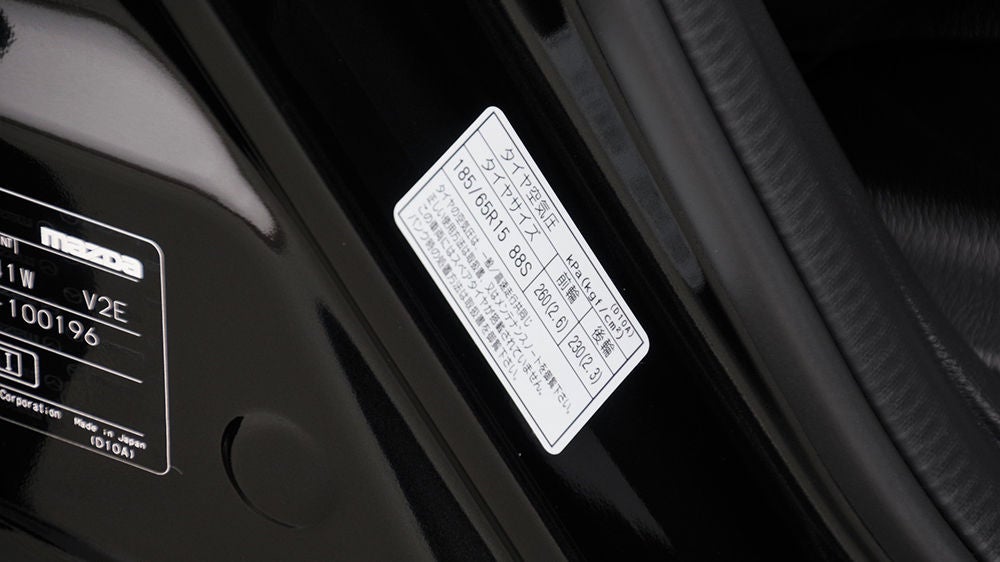
Durable labels are engineered with specialized materials and adhesives that withstand the specific stresses of harsh environments. They maintain adhesion and readability under extreme conditions and enable consistent automated identification, whether using barcodes, RFID tags, or other marking technologies.
Key characteristics of durable labels include:
- High heat resistance: Labels made from materials like polyimide or specially formulated polymers can survive temperatures encountered in soldering and heat treatment processes.
- Chemical and abrasion resistance: Tough face materials and strong adhesives protect against corrosive substances and mechanical wear.
- Stable printed data: Advanced label coatings prevent fading or smudging of critical information over time.
Types of Durable Labels for Industrial Use
Manufacturers can choose from a range of rugged label options depending on their environment:
- Heat-resistant labels: Designed to withstand high temperatures for extended periods without degrading.
- Super-durable tags: Built to endure extreme conditions such as steel mill heat or continuous outdoor exposure.
- Specialized adhesive systems: Engineered for surfaces that are rough, oily, or difficult to label reliably.
By matching the label material and adhesive system to the environment, manufacturers can maintain reliable identification in places where conventional labels would fail.
Benefits of Using Durable Labels in ID Systems
When combined with automated identification systems like RFID or barcode tracking, durable labels extend the robustness of data capture and traceability across the production lifecycle:
- Consistent visibility: Critical product and material information remains readable throughout processing and handling.
- Reduced rework: Fewer label failures mean less time spent reprinting and reapplying identification.
- Improved process reliability: With stable labeling, automated systems can capture data accurately without interruptions.
Durable labels thus serve as a foundational component of resilient identification and tracking systems in industrial environments, helping manufacturers sustain productivity and visibility even under the harshest conditions.